
The Distinct Neural Pathways of Male and Female Brains
- 3 days ago
- 3 min read
Updated: 3 days ago
The idea that male and female brains differ has long sparked debate, often clouded by outdated biases and misconceptions. Recent research, however, offers fresh insights into how these differences manifest in brain connectivity and cognitive function. This post explores the latest findings that challenge the notion of a simple continuum between male and female brains, revealing distinct neural patterns linked to gender-specific cognitive traits and mental health risks.
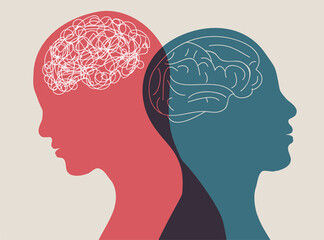
Challenging Old Assumptions About Brain Differences
Historically, claims about male and female brain differences were often influenced by cultural stereotypes and even misogynistic views dating back to Aristotle. These biases made many researchers cautious about studying gender differences in the brain. Modern science has since clarified that men and women do not differ in average intelligence. Yet, differences in mental health prevalence and cognitive tendencies persist.
For example:
Women are more likely to experience anxiety and depression.
Men have higher rates of autism, attention-deficit disorder, and schizophrenia.
These patterns raise questions about whether such differences arise purely from social factors or if they reflect underlying brain structure and connectivity.
Distinct Brain Connectivity Patterns
Recent studies have identified no overlap between male and female brain connectivity patterns, rejecting the idea that brains exist on a single continuum from male to female. Instead, male and female brains show distinct wiring that predicts cognitive function differently for each sex.
Male-pattern brain connectivity correlates strongly with cognitive functions typically observed in men but does not predict female cognitive function.
Female-pattern brain connectivity predicts female cognitive function but not male cognitive function.
This suggests that male and female brains operate through different neural pathways, each optimized for certain types of cognitive processing.
What Does This Mean for Cognitive Function?
Male brains often show stronger connectivity within individual brain regions, which may support skills like spatial reasoning and motor control. Female brains tend to have more cross-hemispheric connections, which could enhance communication between analytical and intuitive processing areas.
These differences might explain why men and women sometimes excel in different cognitive tasks, without implying superiority of one over the other.

Implications for Mental Health
The distinct neural wiring also relates to the differing rates of mental health conditions between men and women. For instance:
The female brain’s connectivity pattern may contribute to a higher susceptibility to anxiety and depression.
Male brain connectivity might underlie increased risks for autism spectrum disorders and schizophrenia.
Understanding these patterns can help researchers develop gender-sensitive approaches to diagnosis and treatment, improving mental health outcomes for both men and women.
Moving Beyond Social Constructs
While social and cultural factors undoubtedly influence behavior and mental health, the evidence points to biological differences in brain structure and function as well. Recognizing these differences does not support stereotypes but rather encourages tailored support and interventions.
For example, educational strategies could be adapted to leverage the strengths of different neural connectivity patterns. Mental health treatments might be personalized based on how male and female brains process emotions and stress.
Male and female brains have distinct neural connectivity patterns with no overlap.
These patterns predict cognitive functions specific to each sex.
Differences in brain wiring may partly explain gender disparities in mental health conditions.
Recognizing these differences supports personalized approaches in education and healthcare.
Biological factors complement social influences in shaping male and female cognitive and emotional experiences.
Understanding the unique neural pathways of male and female brains helps move the conversation beyond stereotypes and opens doors to more effective, individualized support. As research progresses, it will be important to continue exploring how these differences interact with environment and experience to shape who we are.


Comments